
Freedom and the Punchline: What We Owe Monica Lewinsky
It’s the Fourth of July. A day for celebrating freedom, independence, and the stories we tell about who we are as a nation. But lately, I’ve found myself thinking about a very different kind of story—one that shaped a generation of women in ways we’re only just beginning to understand.
I’ve been thinking about Monica Lewinsky.
I’m 52 now, but I was a young woman—and a young mother—when everything unfolded. I remember being more focused on the fact that the president had cheated on his wife than the reality that he’d taken advantage of a 22-year-old intern. What I didn’t fully see at the time was the power imbalance. Or the cultural cruelty. What I did see—what we all saw—was that the jokes came hard and fast. And they were almost all aimed at her.
And I remember that we turned her into a punchline.
The jokes were everywhere. Late-night TV. Stand-up routines. Headlines. Halloween costumes. She became cultural shorthand for scandal, shame, and sexuality—while the most powerful man in the country kept his job and his legacy (mostly) intact.
And now, decades later, I’m asking: what did that moment teach us—not just about sex and politics, but about women, bodies, consent, and shame?
Because here’s the truth: we should have protected her.
She was barely out of college. The power imbalance was staggering. And yet the burden of public humiliation fell squarely on her shoulders. We didn’t just fail to support her—we used her to make ourselves feel smarter, cleaner, more moral.
And those of us watching—especially young women—we internalized it. Many of us grew up in the shadow of Monica’s story, even if we didn’t realize it. We absorbed a deep mistrust of our own desire, our own bodies, our own reputations. We became afraid of being “that girl”—the one who was too much, too open, too exposed.
As a therapist who works with body image and shame, I see echoes of this all the time.
And let’s be clear—those echoes didn’t start with Monica.
They’ve been reverberating for generations.
But her story blasted them through a national megaphone.
She became a symbol of something that had always been there:
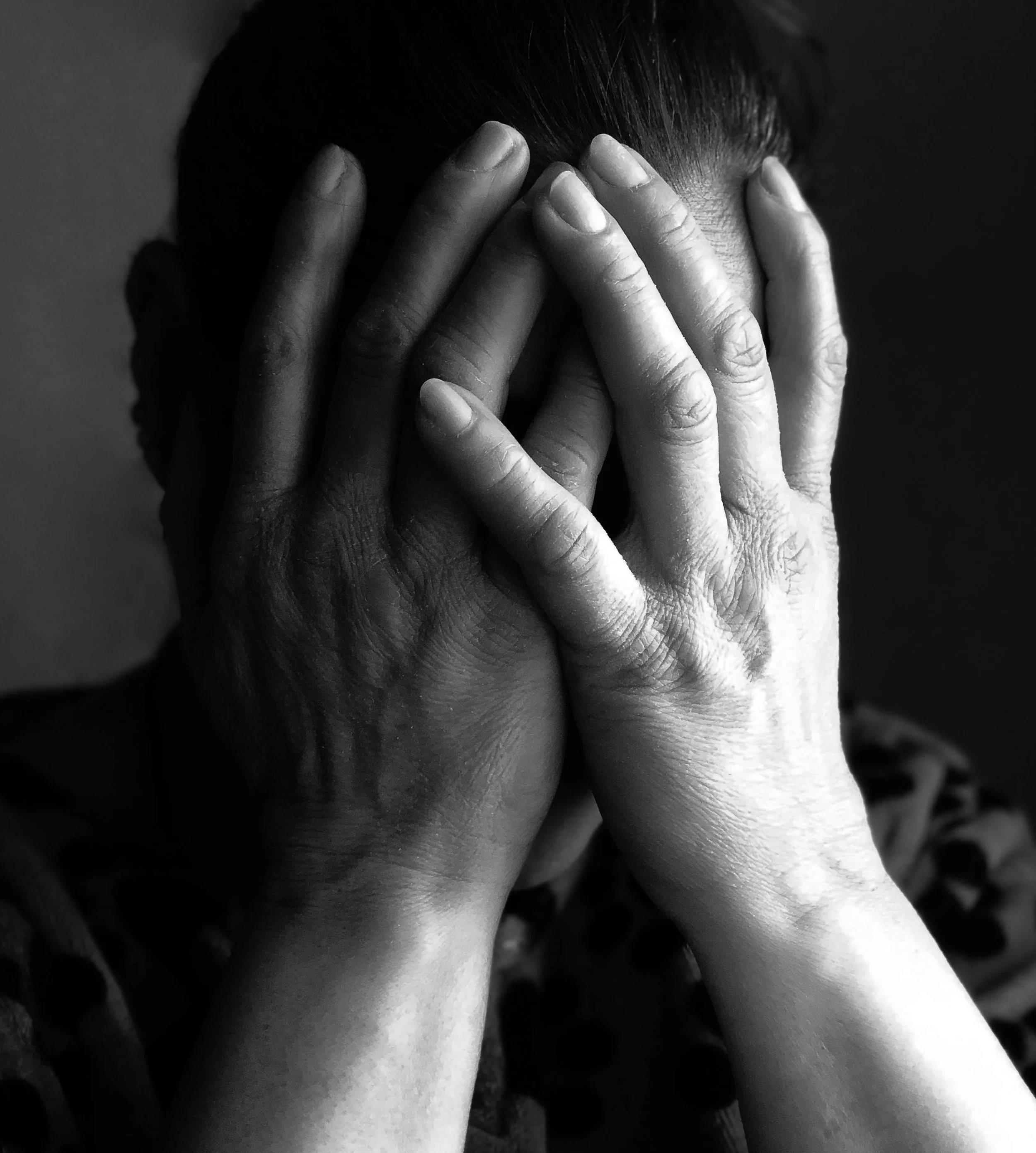
Women being sexualized and then shamed.
Desire being punished.
Power being overlooked—until someone lower on the ladder bore the blame.
I see this story every week in my therapy office.
In the tangled ways women relate to their bodies, their reputations, and their sense of worth.
In the shame they carry—not because they did something wrong, but because someone else decided they should feel wrong.
Women who learned to shrink—not just physically, but emotionally.
Women were taught that being desirable and being respected couldn’t coexist.
Women who were sexualized before they were ready, then blamed or mocked for it.
Women whose stories were rewritten by others, and who began to doubt their own.
And now, on a day that’s supposed to be about freedom, I find myself asking:
What would it look like to be truly free?
Free to be fully human.
Free from shame that was never ours to carry.
Free to tell our stories without fear of becoming someone else’s punchline.
Monica Lewinsky has gone on to become a powerful voice in the fight against cyberbullying and public shaming. Her TED Talk on shame is a must-watch. She has reauthored her own narrative in a way that takes strength most of us will never be asked to show. And maybe that’s the real independence story we should be celebrating today.
Because freedom isn’t just about fireworks and flags.
Sometimes freedom is about clarity.
About reckoning.
About offering compassion—especially to the people we once failed.
