
We Go Slow to Go Fast
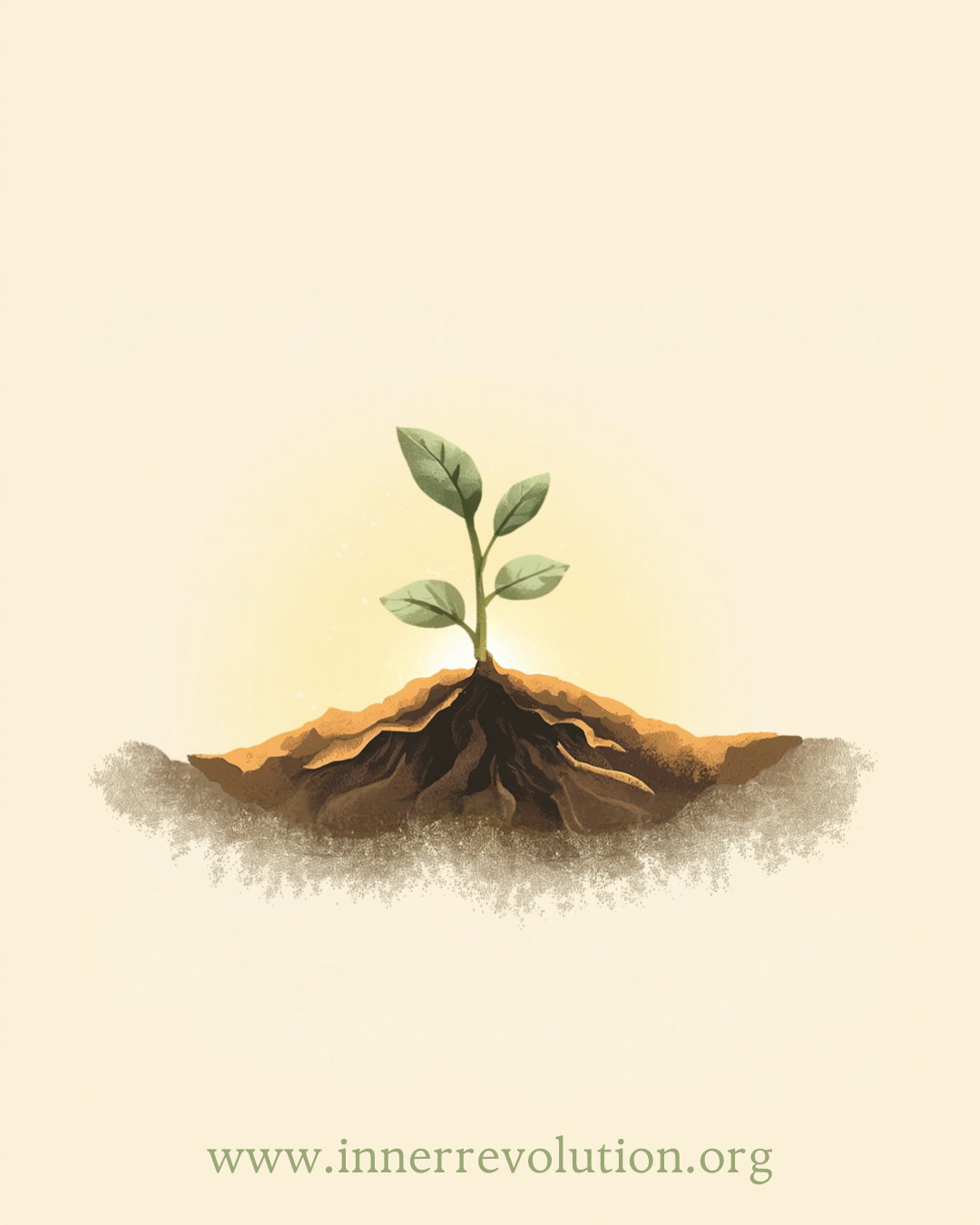
There's a phrase we use in the therapy world: We go slow to go fast.
It sounds counterintuitive. Maybe even a little frustrating, if you came in hoping for a roadmap.
And a lot of people do come in hoping for a roadmap. Tell me what to do. Give me the steps. Give me homework. Give me something concrete to work on between sessions, so I feel like I'm moving.
I understand that completely. The desire to heal quickly is not a character flaw…it's a very human response to pain. When something hurts, we want it to stop hurting. We want to be on the other side of it. We want to know we're making progress.
But here's what I've noticed, over and over, sitting with people in that urgency: The pushing often makes it slower. Healing is not a project with a deadline.
It doesn't respond well to being rushed. It doesn't reward the people who work the hardest at it or the ones who do the most homework or the ones who are most determined to get through it as efficiently as possible.
What it rewards, if that's even the right word, is spaciousness. Patience. The willingness to let something move at the pace it actually needs to move, rather than the pace your anxiety is asking for.
That's not the same as doing nothing. It's not passive. It's actually one of the harder things to practice. Staying present with something uncomfortable without immediately trying to fix or rush or resolve it.
The urgency to heal is worth paying attention to, not just pushing through.
Because underneath I want to feel better faster there's often something else: I'm not sure I can tolerate feeling this way much longer. Or: if I'm not getting better quickly enough, maybe I'm doing it wrong. Or: if this takes too long, maybe it means something is seriously wrong with me.
Those are worth slowing down for. Those are part of the work.
When a client asks me for homework, for steps, for something to do…I don't dismiss that. The impulse is real, and it matters.
But sometimes the most useful thing I can offer is this: Your job this week is not to fix anything. Your job is to notice. To stay curious. To be a little gentler with yourself than the urgency is asking you to be.
We go slow to go fast. Not because slow is the goal. Because the thing you're trying to get to — real, lasting change — doesn't respond to being rushed.
It responds to being met. Carefully. At the pace it actually needs.
If you've been frustrated that healing isn't moving as fast as you want it to — that frustration is worth bringing into the room. That's exactly what therapy is for.
