
This Body Right Here
When a dear friend gets three different cancer diagnoses in six months, it changes the way you look at bodies. Every week seems to bring another plot twist, scarier than the last. And through it all, I keep thinking: how senseless it is that so much of our cultural energy still goes into worrying about how our bodies look. Flat stomachs, toned arms, wrinkle-free skin—these standards feel so small when you’re face-to-face with a body that is simply fighting to survive.
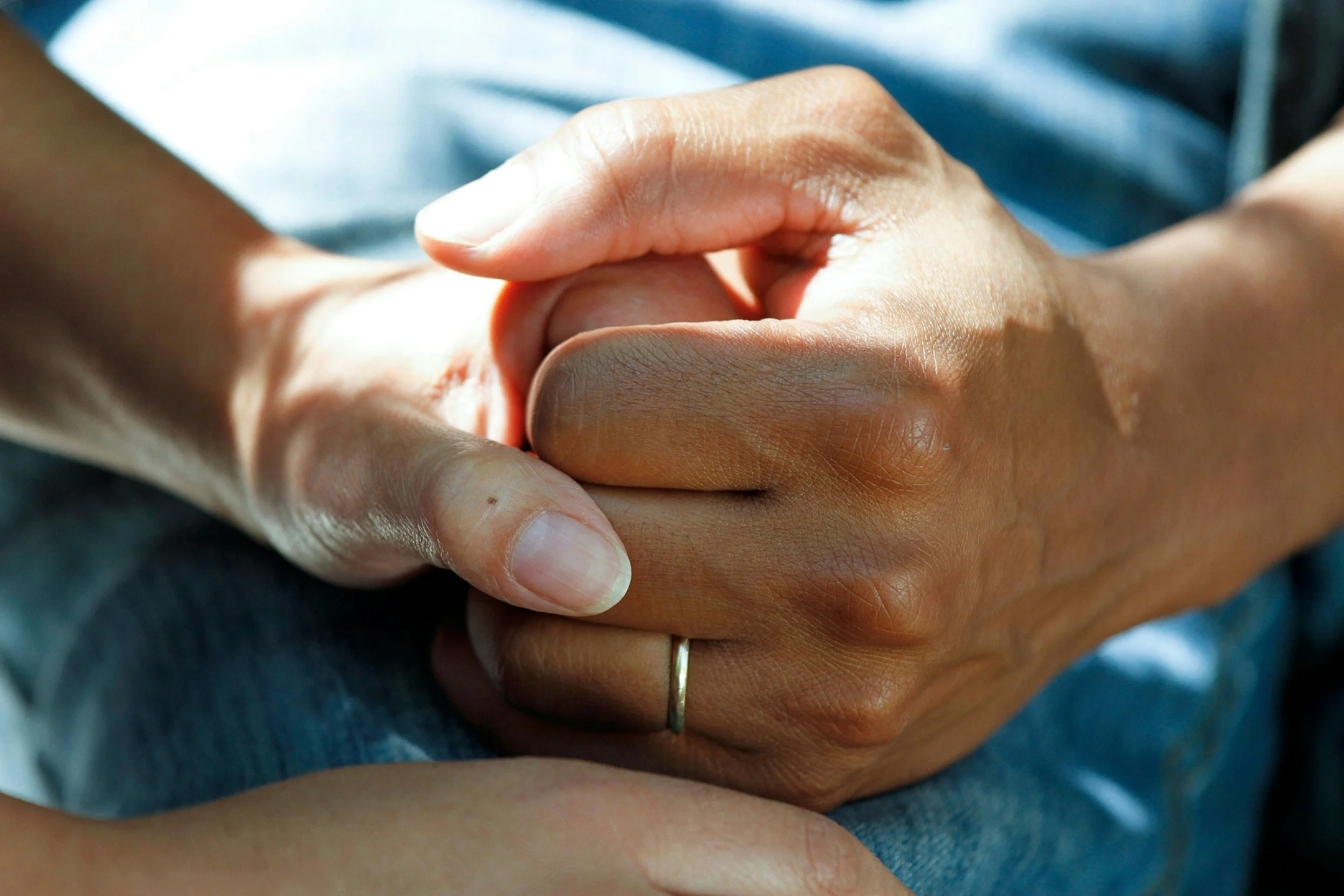
I don’t say this to disparage anyone’s body-image struggles—goodness knows I’ve had my own. I say it because moments like these remind me that a body is not a billboard. It’s a home. It’s a lifeline. It’s the thing that lets us wake up, love, work, dance, cry, and show up again tomorrow.
When I start to spiral about my own body, I find myself returning to words from author, speaker, and inspiration, Emily Nagoski.
She writes:
“I genuinely believe that every body is beautiful because beauty is innate in every body, just as it’s innate in every flower, every bird, every rock, and every river… I’m not saying ‘beautiful’ is something you should be; I’m saying ‘beautiful’ is something you can’t help being, because all bodies are already beautiful. Period. Human beauty isn’t the same thing as the culturally constructed, aspirational aesthetic ideal. Human beauty is having any human body.”
Her words land like a deep exhale. Beauty isn’t earned. It isn’t fragile. It isn’t conditional. It’s already here, woven into every body, no matter what it’s been through.
When I think about my friend’s body—scarred, tired, pushed to its limits, yet still showing up for another doctor appointment—I see beauty more clearly than ever. Not the beauty of perfection, but the beauty of persistence. The beauty of breath and heartbeat. The beauty of a body that says, “I’m still here.”
Focusing only on how our bodies look is senseless in the face of that kind of resilience. It shrinks something vast and miraculous into something trivial. Our bodies are not projects to be managed or problems to be fixed. They are companions. They are homes. They are, in Nagoski’s words, already beautiful—just for being.
And maybe that’s where the healing begins: not in chasing an ideal, but in pausing long enough to honor the body we have, exactly as it is, for the life it makes possible.
