
Trauma and the News
If you’ve watched the news or logged onto your social media recently, chances are that you’ve seen some upsetting and potentially traumatic images or videos. My current “for you” content includes countless stories of survival, devastation, and loss following the tragic flash flooding disaster in Central Texas over the July 4th weekend.
As I watched interviews of family members desperately holding onto hope while hearing the increasing number of lives lost, I felt a heaviness in my chest and a sinking feeling in my gut. This type of disaster can feel so overwhelming, like so much of the “news” we receive every day, leading to feelings of anxiety, despair, and grief. What do we do with the information overload and the resulting emotional overload? How do we balance coping with a world full of challenges and pain and continue living our daily lives and fulfilling our responsibilities?
For me, I use grounding techniques to connect myself to the present and to my body. I find ways to check in with myself, especially when things feel so overwhelming that it’s hard to do more than just go through the motions. What works for me may not work for you, but I encourage you to try several things until you find something that does work. Make a commitment to implement that one thing each day and see if it relieves any of the tension you may currently be holding in your body. Here are some examples that I like:
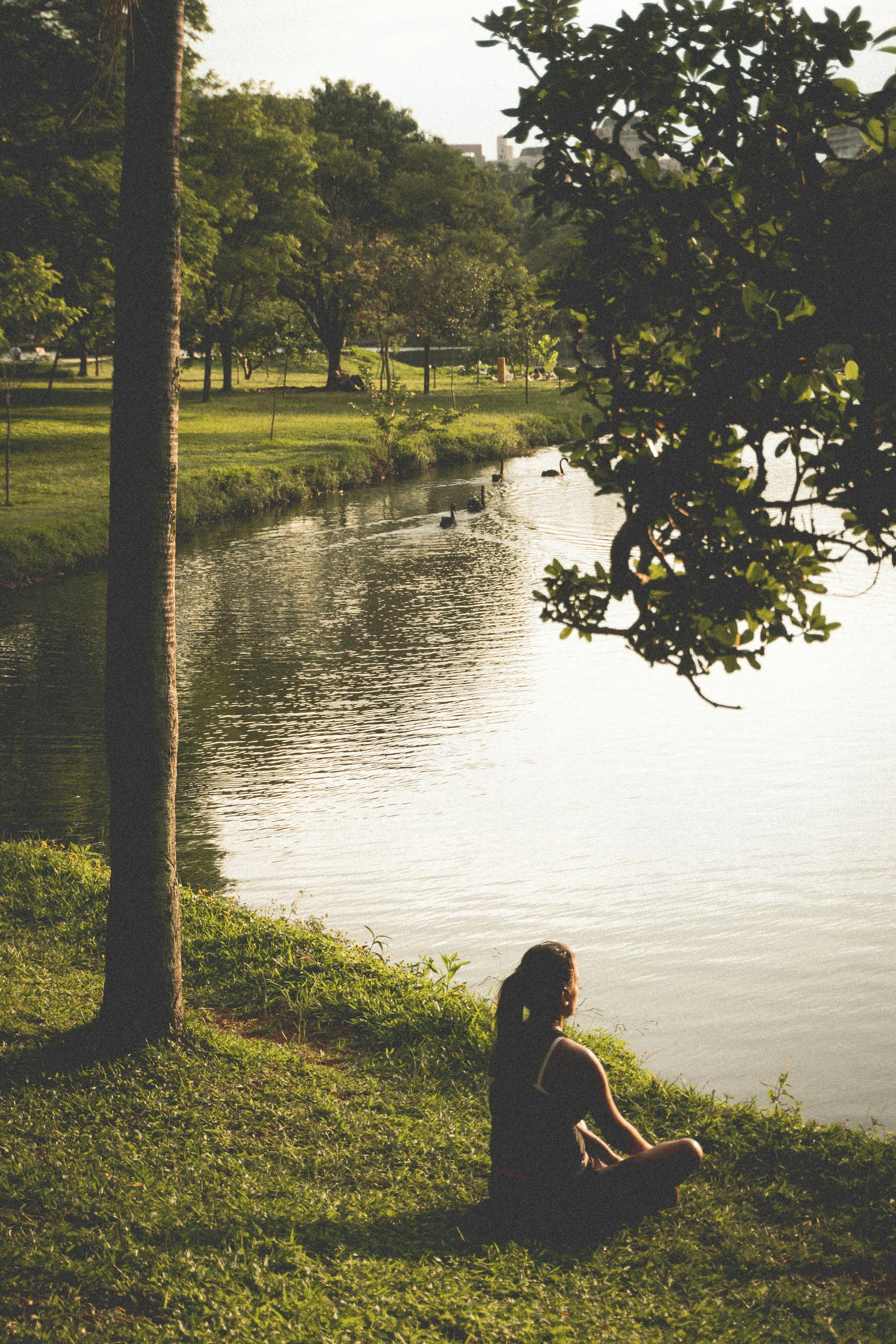
Complete a breathing exercise.
There are many options, from box breathing to belly breathing. I personally use paced breathing, which is where you inhale deeply through your nose for 4 seconds, hold the air in your lungs for 7 seconds, and exhale forcefully through your mouth for 8 seconds.
2. Be where your feet are (aka be present).
If you are standing in your kitchen, feel the ground beneath your feet and be aware of yourself in the kitchen. If you’re sitting in a chair in your office, feel how your feet connect to the floor, your back to the chair, etc.
3. Notice your surroundings.
For example, you can name every item in the room you’re in that’s the color blue or identify 3 different textures near you.
4. Go outside.
Being outside in fresh air, surrounded by greenery and nature, helps you connect to something beyond yourself.
5. Move your body.
This may look like stretching a tight muscle, taking a 15 minute walk around the block, tensing your hands into fists, then releasing them, or doing yoga.
6. Create something with your hands.
You could engage in art, such as painting, sculpting, or making a collage, play an instrument, complete a puzzle, cook/bake, or build something.
7. Engage your senses.
Some examples include smelling something pleasant to you (e.g., coffee or a candle), holding an ice cube in your hand, listening to your favorite song, watching trees sway in the breeze, or eating a peppermint.
8. Spend time with a small child or a dog.
Engaging with a creature who only exists in the present and seeing things from their perspective can help you do the same.