
Beyond the Bechdel: A New Rule for Bodies in Stories
I’m inspired by the Bechdel Test—a brilliant and biting way to measure how well women are represented in film. It’s simple, elegant, and often sobering: Do two women talk to each other about something other than a man? But what if we applied the same kind of clarity to body representation? What if we had a test for how larger-bodied characters show up in our stories—not as jokes, cautionary tales, or redemption arcs, but as fully human?
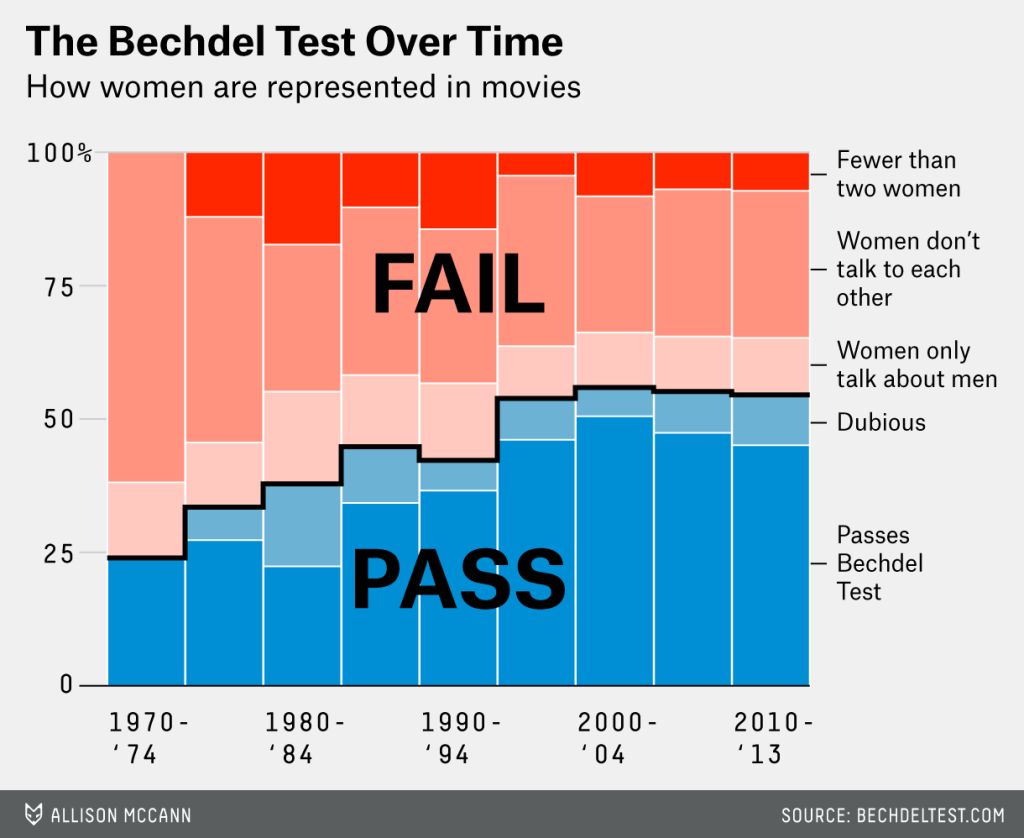
Here’s the reframing I’m proposing—a Body Liberation Bechdel Test: (1) A character in a larger body; (2) Is central to the story (not the comic relief or sidekick); and (3) their arc is not about weight loss, shame, or “fixing” themselves
That’s it. That’s the test.
And it’s shocking how few stories pass it.
Think about the last time you read a novel or watched a movie where a fat character was seen as desirable. Or powerful. Or the romantic lead. Or complex in a way that wasn’t code for self-loathing. Representation is still so often tied to the idea that a larger body must be transformed to be worthy of love, success, or happiness.
But bodies don’t need a plot twist.
I’m calling this the Body Liberation Test for now, but I am open for other recommendations.
What would it mean if we used this as a lens when we create, consume, and critique media? What kind of stories could we amplify? What kind of freedom might it offer—for all of us?
I’ll be following up with examples that pass (and fail) this test, and I’d love your thoughts: Who comes to mind? What stories made you feel seen?
Let’s build a new shelf.
